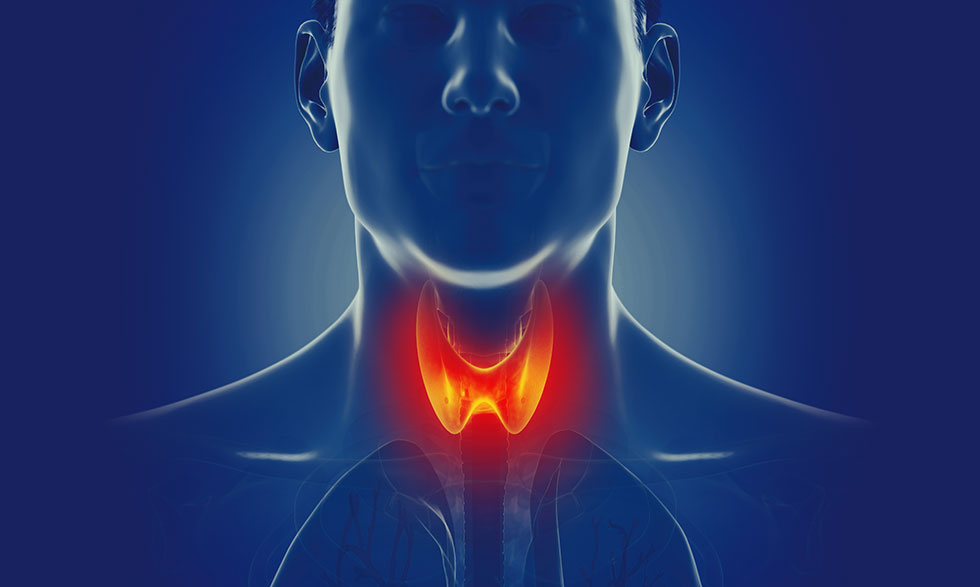
The thyroid gland, a small but mighty organ nestled at the base of your neck, plays a pivotal role in maintaining your body's delicate balance. Shaped like a butterfly, its primary mission is to produce hormones that regulate virtually every metabolic process, from your heart rate and body temperature to your energy levels and mood. When this crucial gland becomes overactive, a condition known as hyperthyroidism, it can send your body into overdrive, leading to a cascade of symptoms that significantly impact your quality of life. Understanding these signs, often referred to as Sintomas De La Tiroides Alta, is the first step toward diagnosis and effective management.
Understanding the Thyroid and Its Metabolic Powerhouse Role
Your thyroid gland is responsible for synthesizing two key hormones: triiodothyronine (T3) and thyroxine (T4). These hormones act as your body's internal regulators, influencing how quickly and efficiently your cells convert nutrients into energy. Think of them as the accelerator pedal for your body's engine. When the thyroid functions optimally, it ensures a smooth and efficient metabolic pace, providing consistent energy and supporting vital bodily functions.
However, when the thyroid becomes hyperactive, it produces an excess of T3 and T4. This surge of hormones kicks your metabolism into high gear, much like an engine constantly revving at maximum speed. While this might sound like a recipe for boundless energy, the reality is often quite different. This accelerated state can exhaust your body's systems, leading to a range of uncomfortable and potentially serious health issues.
The Rollercoaster of an Overactive Thyroid: Common Sintomas De La Tiroides Alta
The symptoms of an overactive thyroid can be diverse and may vary in intensity from person to person. Because the thyroid affects so many bodily functions, hyperthyroidism symptoms can manifest in numerous ways, making them sometimes challenging to pinpoint. Here are some of the most frequently observed Sintomas De La Tiroides Alta:
Metabolic and Weight Changes
- Unexplained Weight Loss: Despite maintaining or even increasing your food intake, you might experience significant and rapid weight loss. Your accelerated metabolism burns calories at an unusually high rate.
- Increased Appetite: Paradoxically, many individuals with hyperthyroidism find themselves constantly hungry due to the body's heightened energy demands, yet they still lose weight.
- Changes in Bowel Habits: A sped-up metabolism can also affect the digestive system, leading to more frequent bowel movements or even diarrhea.
Cardiovascular Manifestations
- Rapid Heartbeat (Palpitations): One of the most common and concerning symptoms is an accelerated heart rate, often felt as palpitations, a fluttering sensation, or a pounding in the chest.
- Increased Blood Pressure: The constant strain on the cardiovascular system can lead to elevated blood pressure.
- Shortness of Breath: Even mild exertion can leave you feeling breathless due to the increased metabolic demand on your heart and lungs.
Neurological and Mood Shifts
- Nervousness and Anxiety: A constant feeling of unease, restlessness, and heightened anxiety is very common. You might feel "on edge" or easily agitated.
- Irritability and Mood Swings: The hormonal imbalance can lead to unpredictable shifts in mood, making you more prone to irritability.
- Insomnia and Sleep Disturbances: Despite feeling tired, many individuals struggle to fall or stay asleep due to heightened energy and anxiety.
- Tremors: Fine tremors, especially in the hands, are a classic sign. These involuntary shivers can make fine motor tasks challenging.
Physical and Dermatological Signs
- Excessive Sweating and Heat Intolerance: Your body's internal thermostat goes haywire, making you feel perpetually warm and prone to sweating excessively, even in cool environments.
- Fatigue and Muscle Weakness: While hyperthyroidism speeds things up, it ultimately leads to exhaustion. Chronic overstimulation depletes your energy reserves, resulting in profound fatigue and muscle weakness, particularly in the thighs and upper arms.
- Hair Thinning and Brittle Nails: The accelerated cell turnover can negatively impact hair follicles and nail growth, leading to brittle nails and thinning hair.
- Eye Changes (Graves' Ophthalmopathy): In cases related to Graves' disease, some individuals may experience eye irritation, bulging eyes (exophthalmos), double vision, or light sensitivity.
Reproductive Impacts
- Menstrual Irregularities: Women may experience changes in their menstrual cycles, including lighter periods, more frequent periods, or even missed periods. This can also impact fertility.
Recognizing these diverse hyperthyroidism symptoms is crucial for seeking timely medical attention. Ignoring them can lead to more severe complications down the line.
Unveiling the Causes: Why Does the Thyroid Go Overactive?
While the symptoms are a direct result of excess thyroid hormones, it's important to understand the underlying causes of hyperthyroidism. The most common culprit is an autoimmune condition called Graves' disease.
- Graves' Disease: This is the most prevalent cause of hyperthyroidism. In Graves' disease, the immune system mistakenly attacks the thyroid gland, tricking it into producing an excessive amount of thyroid hormones. It's often characterized by the distinct eye symptoms mentioned earlier (Graves' ophthalmopathy) and sometimes a goiter (an enlarged thyroid gland).
- Thyroid Nodules: Sometimes, benign lumps or nodules develop within the thyroid gland and begin to produce thyroid hormones independently of the body's regulatory signals. These are known as toxic adenomas or toxic multinodular goiters, depending on the number of nodules.
- Thyroiditis: This refers to inflammation of the thyroid gland. While some forms of thyroiditis initially cause a temporary release of stored thyroid hormones (leading to transient hyperthyroidism), they often progress to hypothyroidism.
- Excessive Iodine Intake: Iodine is essential for thyroid hormone production, but too much can sometimes trigger hyperthyroidism, especially in individuals with pre-existing thyroid conditions.
- Certain Medications: Some medications, like amiodarone, can also influence thyroid function and, in rare cases, lead to hyperthyroidism.
Diagnosing and Managing Hyperthyroidism: Next Steps
If you are experiencing several of the Sintomas De La Tiroides Alta described above, it's paramount to consult a healthcare professional. Self-diagnosis is not recommended, as many of these symptoms can overlap with other conditions.
Diagnosis typically involves a simple blood test to measure the levels of Thyroid Stimulating Hormone (TSH), T3, and T4. Low TSH levels combined with elevated T3 and T4 levels are indicative of hyperthyroidism. Your doctor may also recommend additional tests, such as radioactive iodine uptake scans or ultrasound, to determine the underlying cause.
Treatment options for hyperthyroidism vary depending on the cause, severity, and individual patient factors. They can include:
- Antithyroid Medications: These drugs work by reducing the thyroid gland's ability to produce hormones.
- Radioactive Iodine Therapy: This treatment destroys overactive thyroid cells, reducing hormone production.
- Surgery: In some cases, surgical removal of part or all of the thyroid gland (thyroidectomy) may be recommended.
- Beta-blockers: These medications can help manage symptoms like rapid heartbeat and tremors, providing symptomatic relief while other treatments take effect.
Living with an overactive thyroid can be challenging, but with an accurate diagnosis and appropriate treatment, symptoms can be effectively managed, allowing you to regain control over your health and well-being. Early intervention is key to preventing complications and improving your quality of life.
The thyroid gland is a delicate orchestrator of your body's metabolism. When it becomes overactive, leading to hyperthyroidism, the impact can be widespread, affecting everything from your heart rate and weight to your mood and energy levels. Recognizing the Sintomas De La Tiroides Alta—such as unexplained weight loss, rapid heartbeat, anxiety, and heat intolerance—is crucial. If you suspect you have an overactive thyroid, do not hesitate to seek medical advice. A healthcare professional can provide a precise diagnosis and guide you toward the most effective treatment plan, helping you bring your body's internal engine back to a healthy, balanced pace.